





What Is an ISO 37 Cutting Die Used For?
ISO 37, published by the International Organization for Standardization, is one of the most widely specified standards for tensile testing of rubber in Europe, Asia, and global supply chains. It measures tensile strength, elongation at break, and tensile stress at a given elongation for vulcanized and thermoplastic rubber.
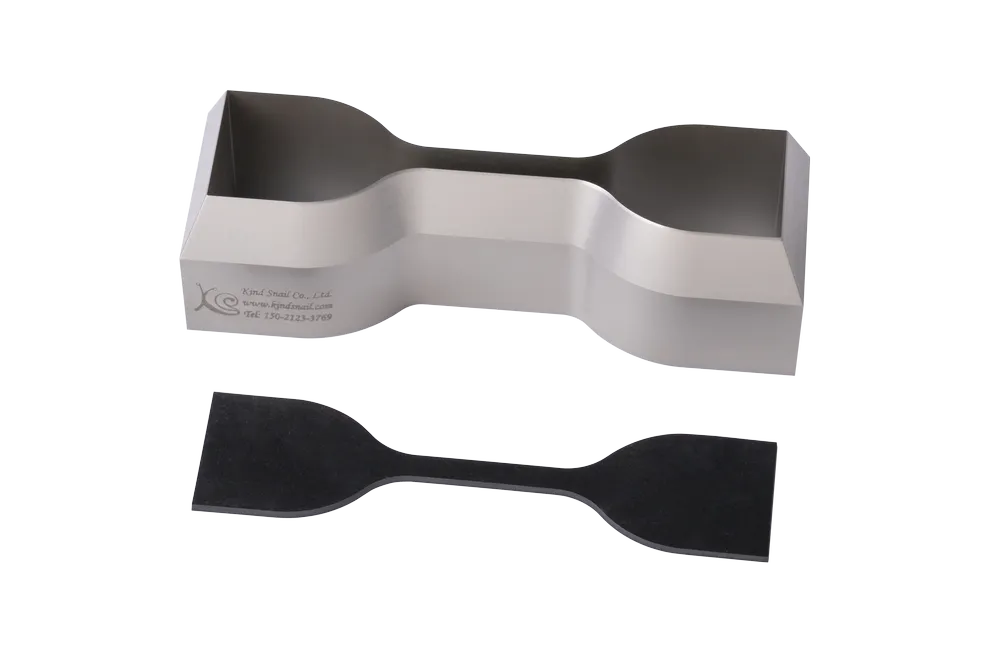
The reliability of your tensile data depends heavily on specimen quality. Burrs or nicks along the specimen edge can cause premature breaks at the defect, resulting in low readings and poor repeatability. A cutting die made to standard dimensions is the first step toward trustworthy results.
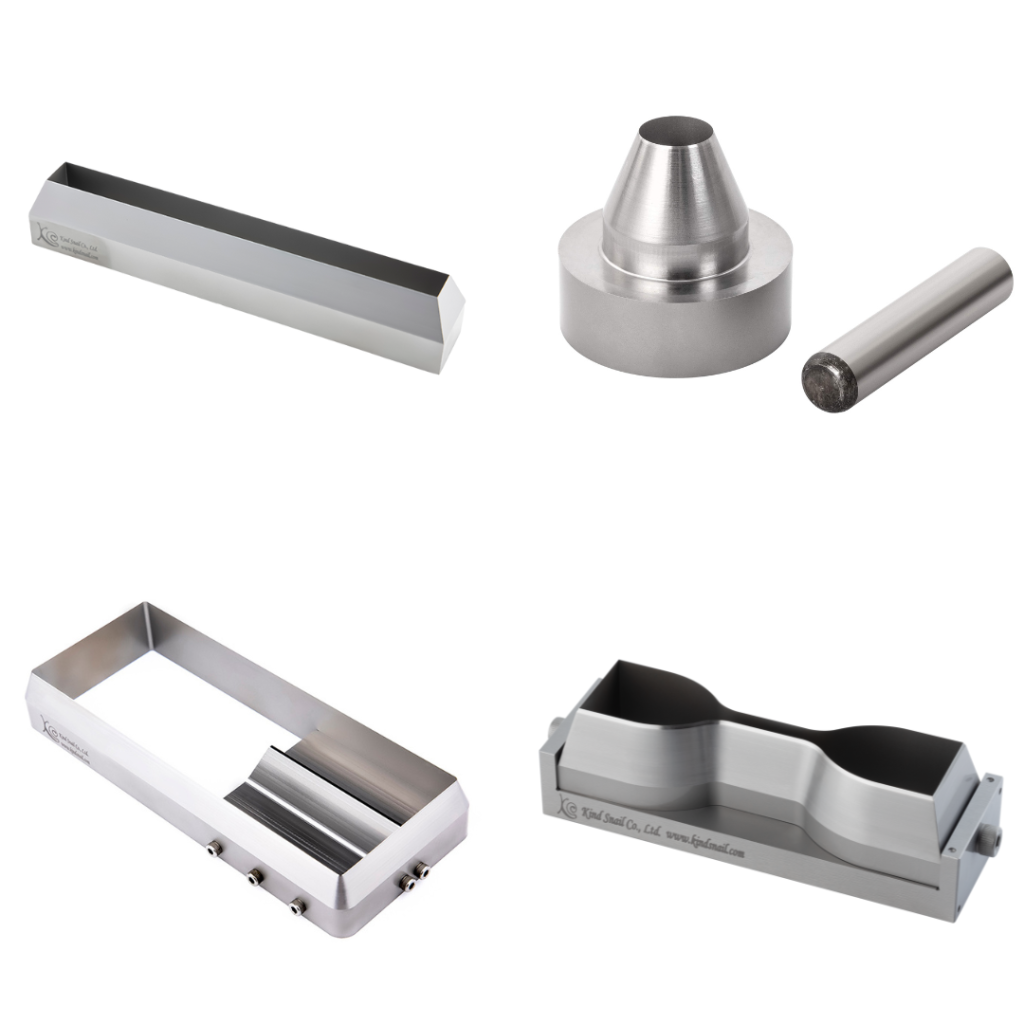
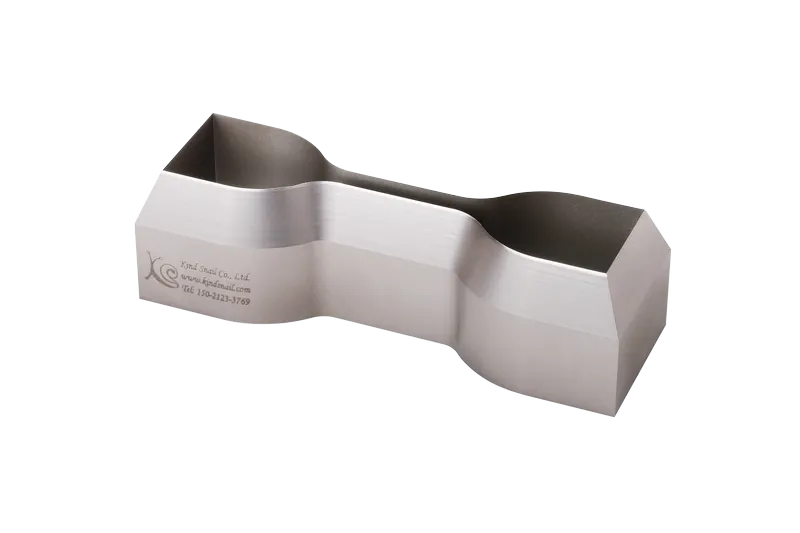
Kind Snail cutting dies are made of hardened alloy tool steel (HRC 55-60) and precision cut by electrical discharge machining (EDM). With a cutter wall of at least 5 mm, the die resists deformation and keeps every specimen consistent.
Suitable materials: NR, SBR, NBR, EPDM, CR, FKM, silicone, and other vulcanized rubbers, as well as thermoplastic rubbers such as TPE and TPV.
Typical applications: R&D and quality control of tires, seals, O-rings, hoses, belts, and footwear.
ISO 37 Dumbbell Types
ISO 37 defines several dumbbell specimen types that differ mainly in size:
・Type 1, Type 1A, and Type 2: Standard specimens with a thickness of 2.0 ± 0.2 mm
・Type 3 and Type 4: Smaller specimens with a thickness of 1.0 ± 0.1 mm
Several ISO 37 types also have equivalents in the Japanese standard JIS K6251:
・ISO 37 Type 1 = JIS K6251 No.5
・ISO 37 Type 1A = JIS K6251 No.3
・ISO 37 Type 2 = JIS K6251 No.6
Always follow the specimen type required by your product specification or customer. If you are unsure, tell us your requirements and we will help you confirm.
ISO 37 Specimen Dimensions


About Kind Snail Cutting Dies
・Cutter wall: At least 5 mm thick to prevent deformation during cutting
・Hardness: HRC 55-60
・Machining: Precision cut by electrical discharge machining (EDM)
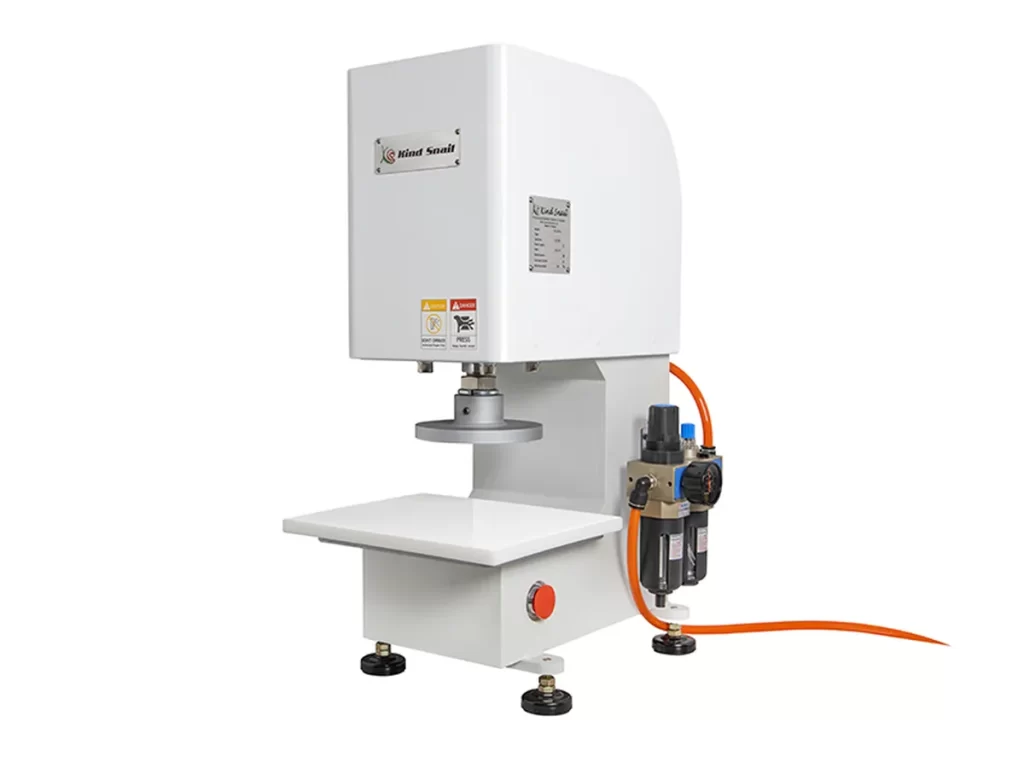
・Compatible machines: Kind Snail manual cutting press and pneumatic cutting press
・Custom service: Non-standard dies can be made from your drawing or sample (send us your drawing or requirements, and our specialist will assist you)
What’s in the Box
・Cutting die × 1 (as ordered)
・Dimension inspection report × 1
・Technical document × 1
Care and Storage
After each use, wipe the die clean, apply anti-rust oil, and wrap it securely. Store in a dry place to prevent rust and extend service life.
ISO 37 Cutting Die FAQ
Q: Can I use an ISO 37 die for ASTM D412 testing?
A: No. ASTM D412 dumbbell specimens have different dimensions and tolerances. Your test report must state which standard was followed, so you need a die made for that standard. Kind Snail also supplies ASTM D412 dumbbell cutting dies.
Q: Are ISO 37 and JIS K6251 dies interchangeable?
A: Several types correspond: ISO 37 Type 1 = JIS No.5, Type 1A = JIS No.3, and Type 2 = JIS No.6. Please compare the dimension tables before purchasing, and state the standard and type used in your test report.
Q: Not sure if your die can cut my material?
A: Send us a material sample. We will do a trial cut and report the results, so you can confirm performance before you buy.
Q: What is the lead time? Do you make custom dies?
A: Common types are usually in stock and ship quickly. Otherwise, standard dies take about 1 month and custom dies about 2 months, depending on complexity. Custom dies can be made from your drawing or sample. Contact us for details.