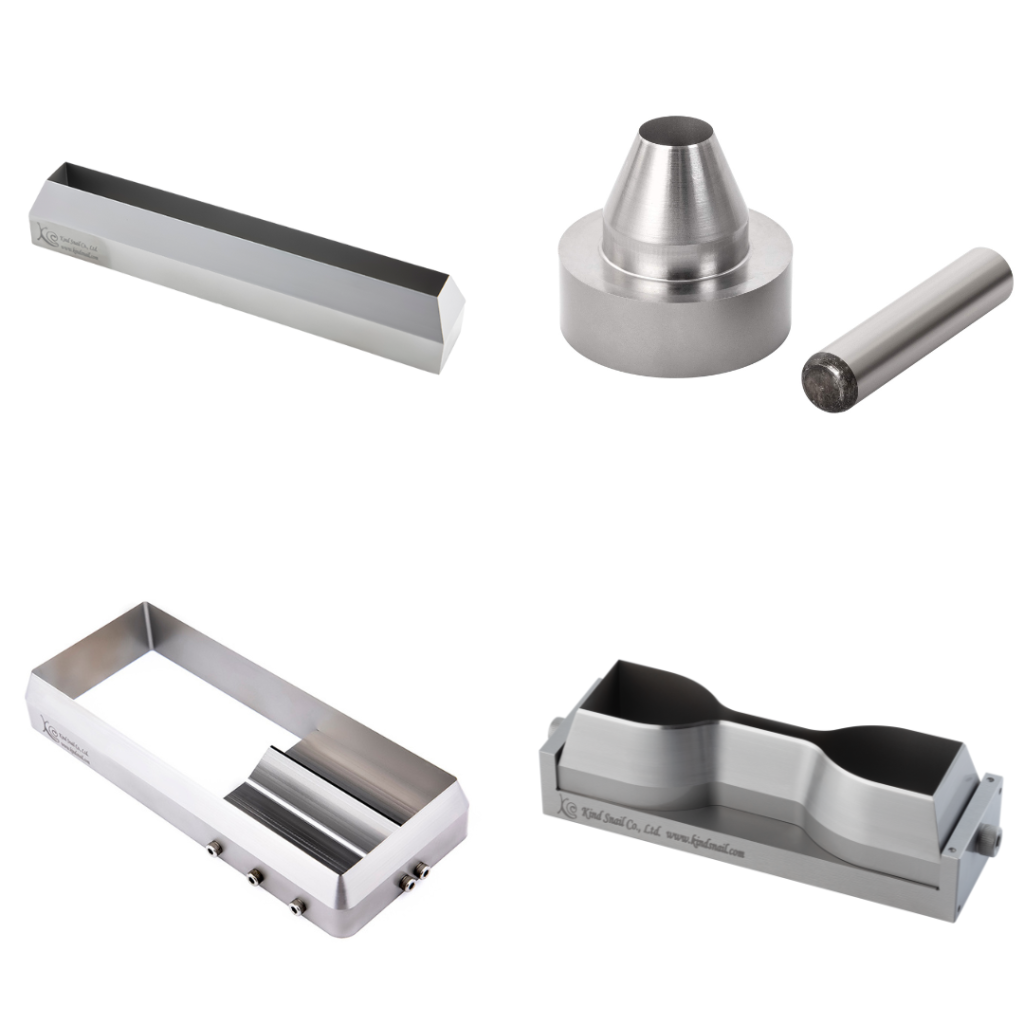


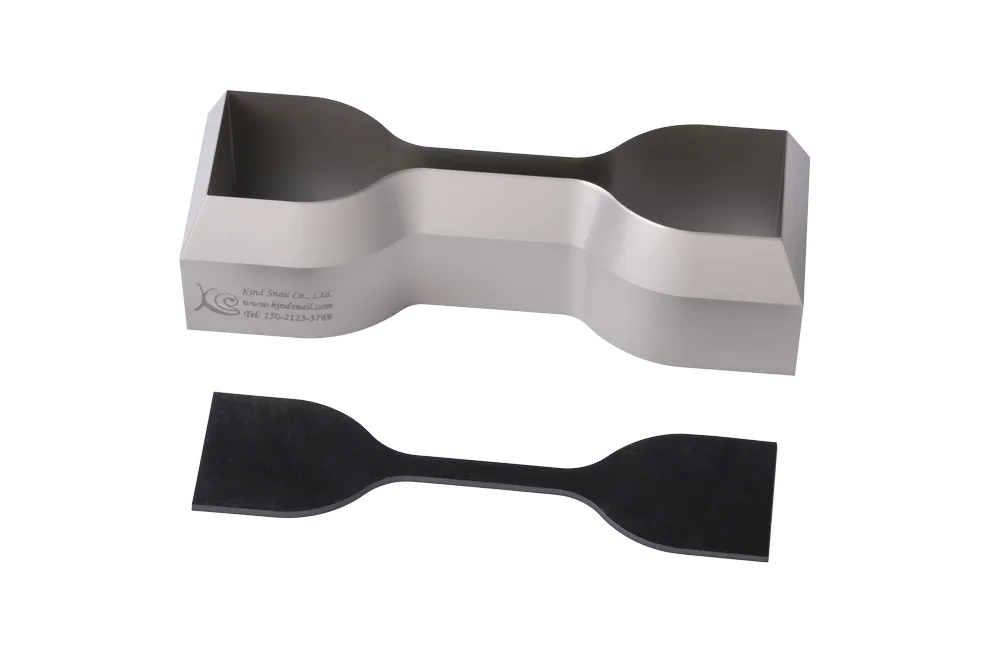
What Is an ASTM D638 Cutting Die Used For?
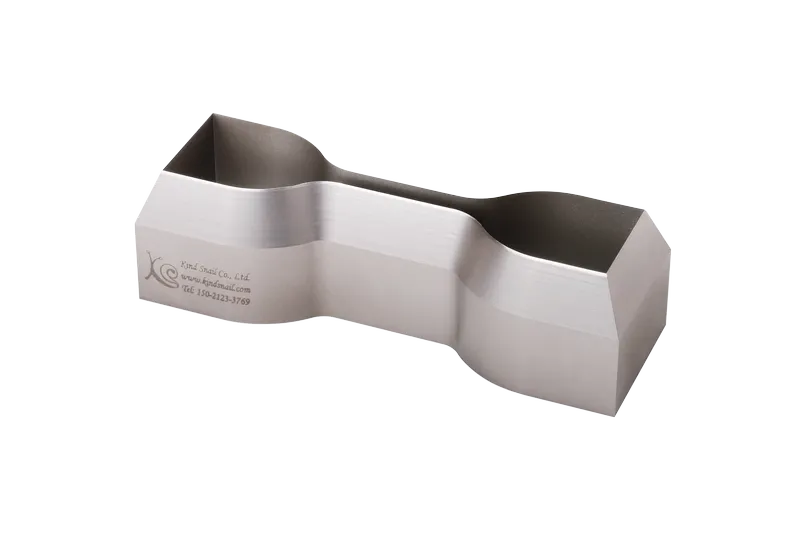
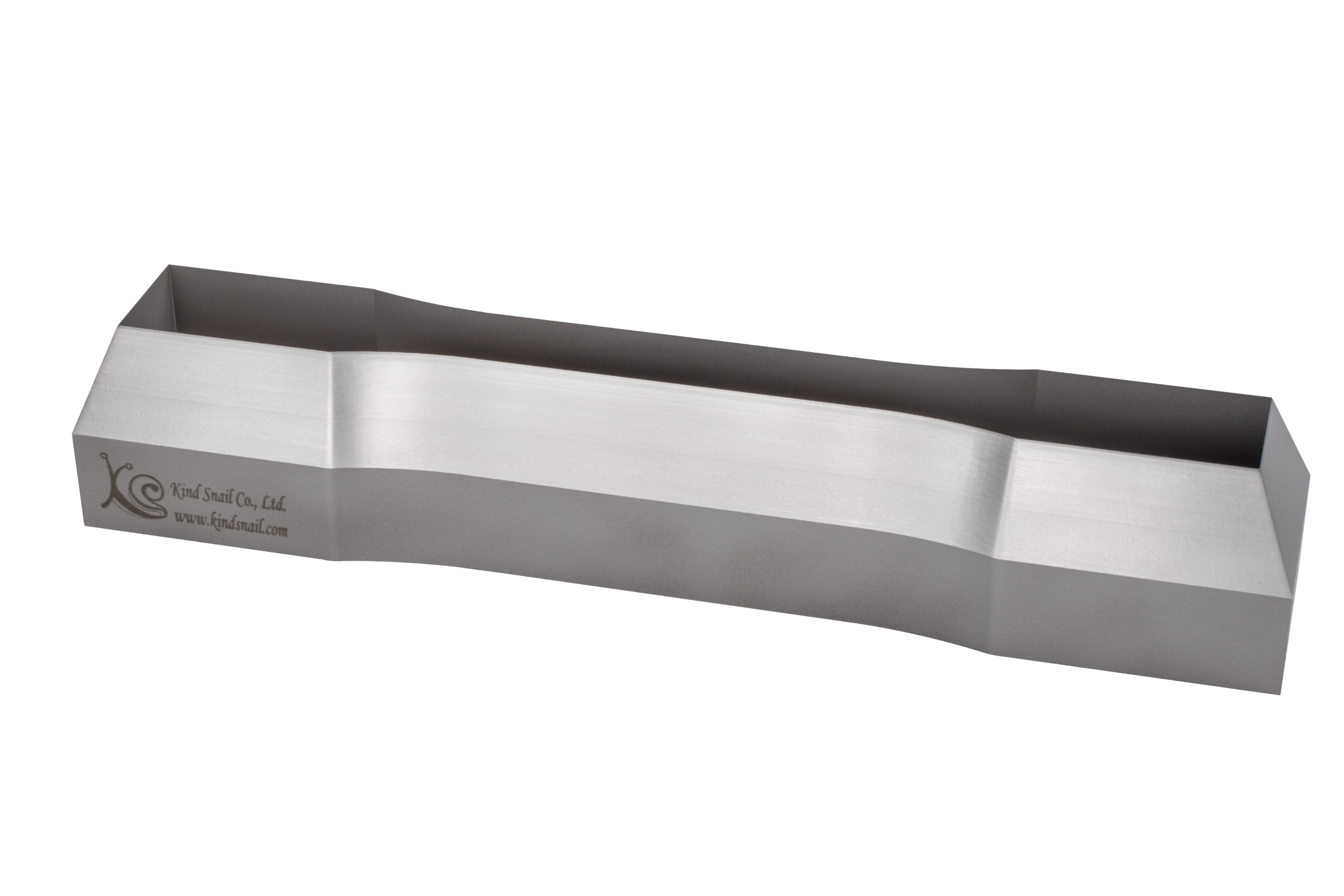
ASTM D638, published by ASTM International, is one of the most widely used standards for testing the tensile properties of plastics, including tensile strength, yield strength, elongation at break, and tensile modulus. Before testing, sheet material must be cut into standard dumbbell-shaped specimens, often called dog bone specimens or tensile bars.
The reliability of your tensile data depends heavily on specimen quality. Burrs or nicks along the specimen edge can cause premature breaks at the defect, resulting in low readings and poor repeatability. A cutting die made to standard dimensions is the first step toward trustworthy results.
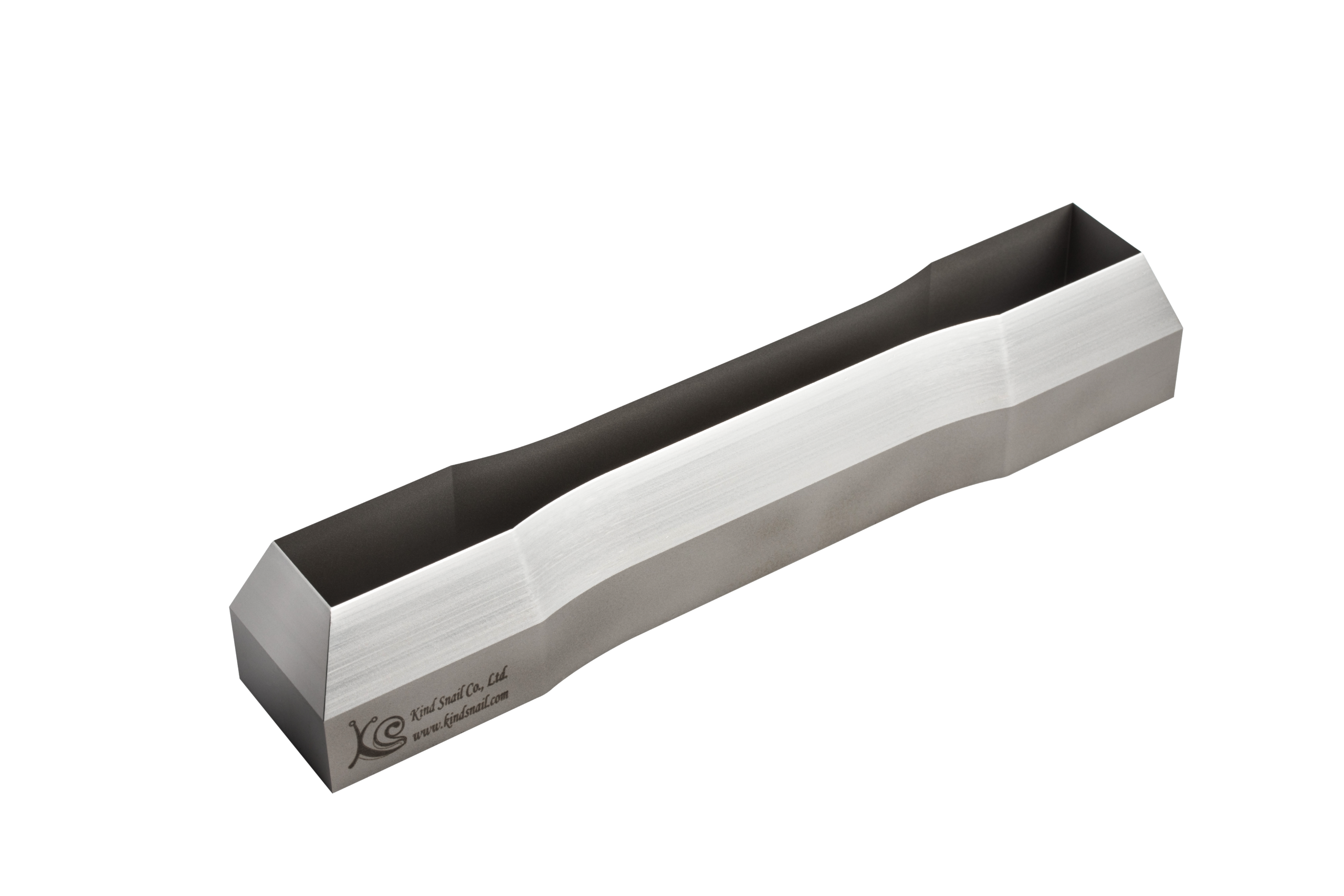
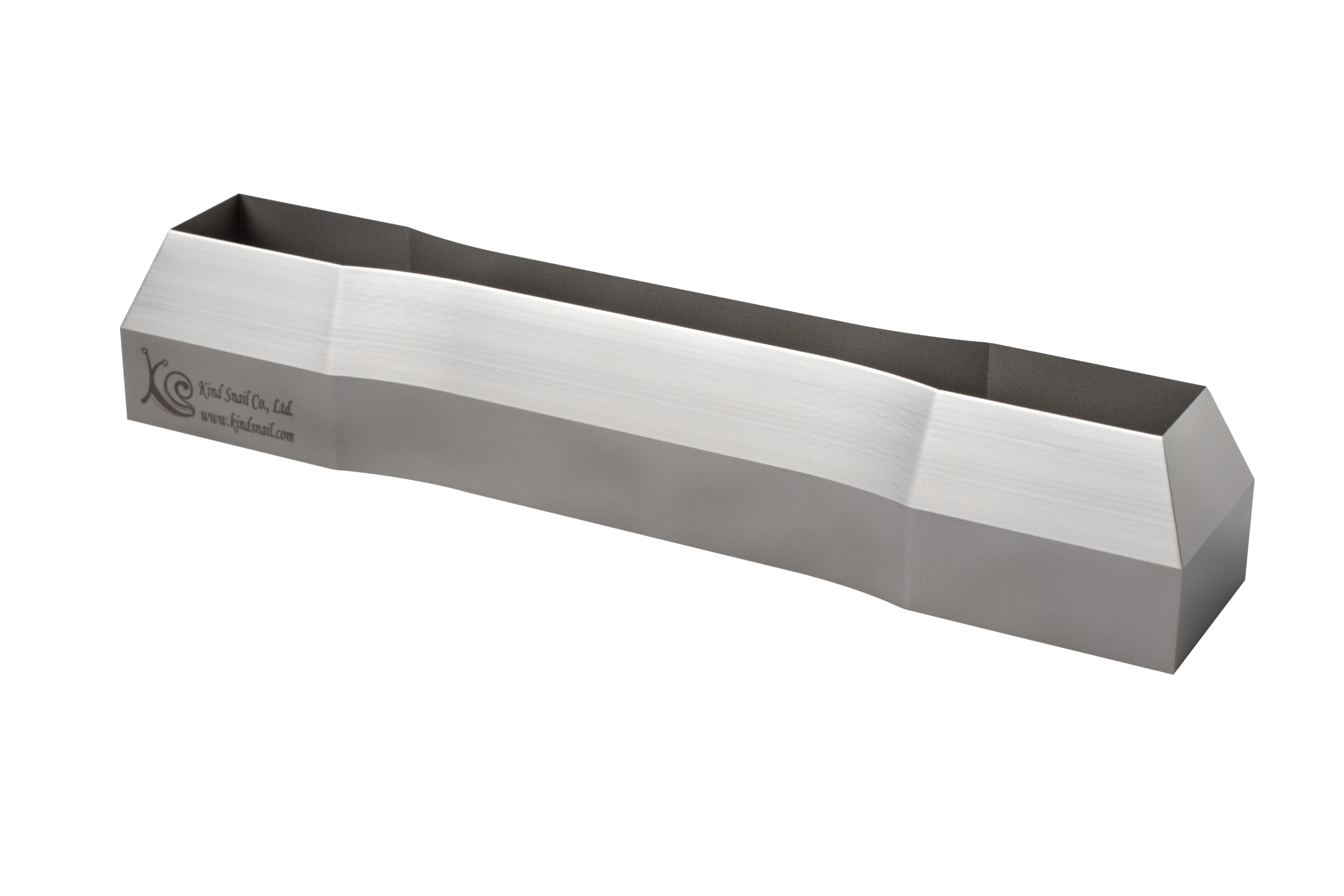
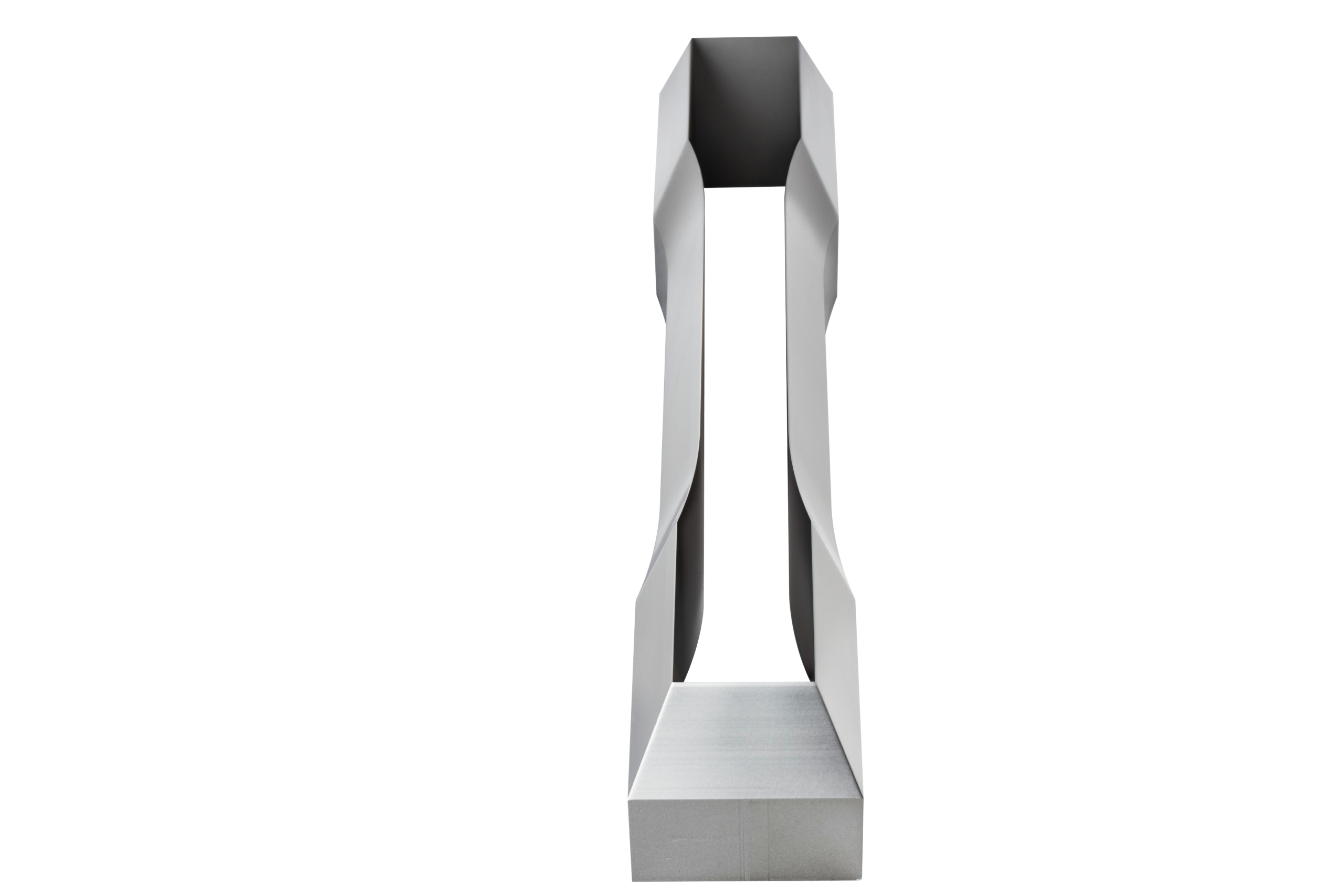
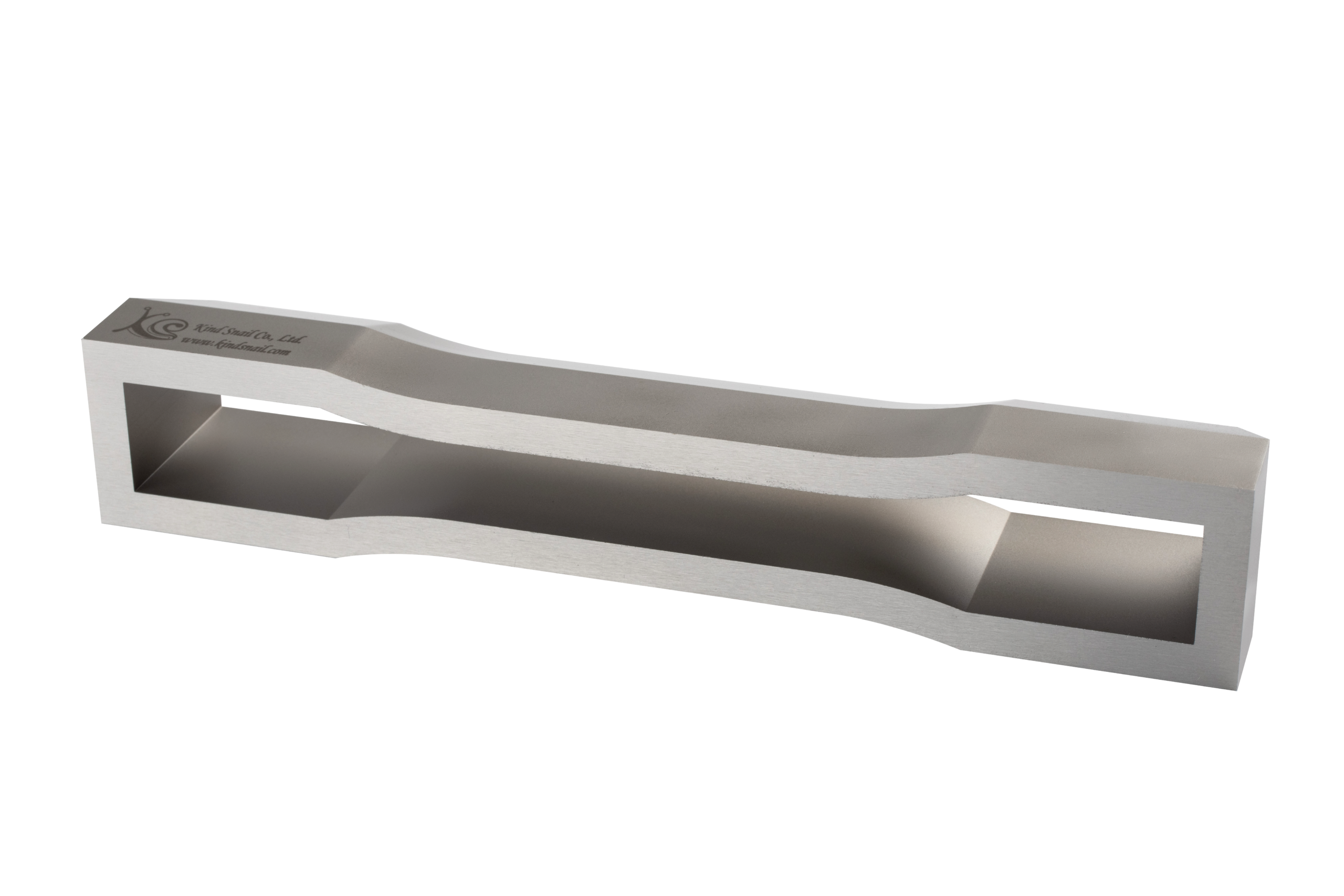
Kind Snail cutting dies are made of hardened alloy tool steel (HRC 55-60) and precision cut by electrical discharge machining (EDM). With a cutter wall of at least 5 mm, the die resists deformation and keeps every specimen consistent.
Suitable materials: Flexible and semi-rigid plastic sheets that can be die cut, such as flexible PVC, PE, PP, EVA, TPE, and TPU. Rigid or thick plates such as PC, POM, and acrylic are usually prepared by injection molding or CNC machining. Send us a sample and we will check it with a trial cut.
Typical users: Plastic resin producers, compounders, sheet extruders, and packaging manufacturers, for R&D and incoming or outgoing quality control.
How to Choose ASTM D638 Type I–V
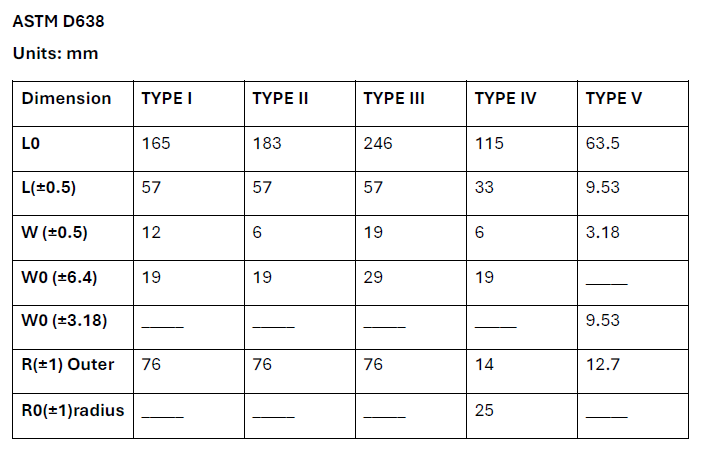
ASTM D638 defines five dumbbell specimen types. The choice mainly depends on material thickness and rigidity:
・Type I: The preferred specimen for rigid and semi-rigid plastics 7 mm or less in thickness
・Type II: Used when a Type I specimen does not break within the narrow section
・Type III: For materials thicker than 7 mm, up to 14 mm
・Type IV: For nonrigid plastics 4 mm or less in thickness; also commonly used when comparing materials of different rigidity
・Type V: The smallest specimen, for materials 4 mm or less in thickness when material is limited, or when many specimens must fit in a small space, such as thermal or weathering exposure tests
Always follow the specimen type required by your product specification or customer. Tell us your material and thickness, and we will help you choose the right type.
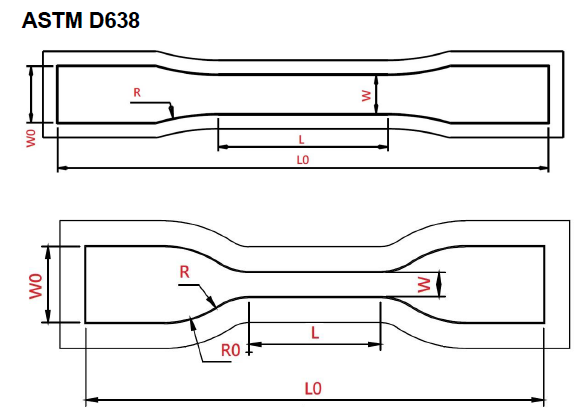
ASTM D638 Specimen Dimensions
About Kind Snail Cutting Dies
・Material: Alloy tool steel, ensuring accurate cavity dimensions and a long service life
・Cutter wall: At least 5 mm thick to prevent deformation during cutting
・Hardness: HRC 55-60
・Machining: Precision cut by electrical discharge machining (EDM)
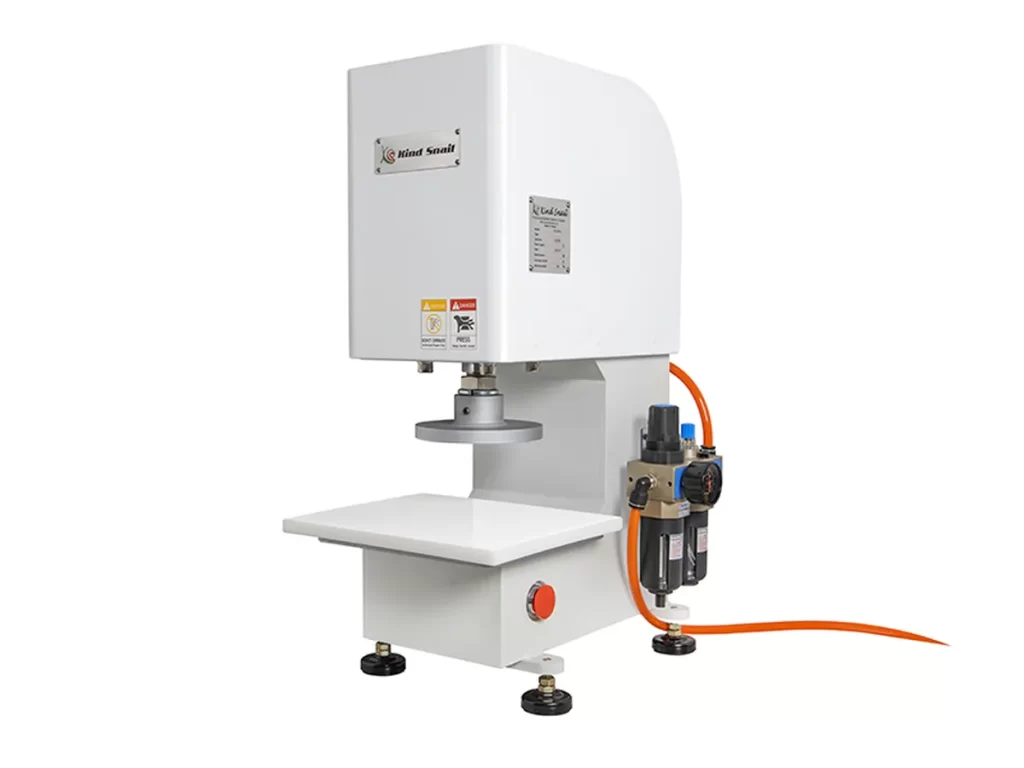
・Compatible machines: Kind Snail manual cutting press and pneumatic cutting press
・Custom service: Non-standard dies can be made from your drawing or sample (send us your drawing or requirements, and our specialist will assist you)
What’s in the Box
・Cutting die × 1 (as ordered)
・Dimension inspection report × 1
・Technical document × 1
※ Cutting press and cutting pad are sold separately. Compatible with Kind Snail “manual and pneumatic cutting presses “.
Care and Use
A cutting die is a precision tool. The condition of the cutting edge directly affects specimen quality, and proper care greatly extends its service life:
1. Use a cutting pad: Always place a cutting pad under the die to prevent the edge from hitting a metal surface and chipping.
2. Press evenly and vertically: Use a cutting press. Do not strike the die with a hammer, as uneven force can deform the edge.
3. Clean after use: Remove rubber residue and debris from the cutting edge after each use.
4. Prevent rust: Alloy tool steel can rust. After cleaning, apply a thin layer of anti-rust oil to the edge and surfaces.
5. Store properly: Keep the die in a dry place with the edge protected or facing up. Do not stack it with other metal tools.
6. Check the edge regularly: If specimen edges begin to show burrs or nicks, the cutting edge may be worn or damaged, and it may be time to replace the die.
ASTM D638 Cutting Die FAQ
Q: Are ASTM D638 Type IV and ASTM D412 Die C the same?
A: The two specimens have essentially the same dimensions, which is why Type IV is often used for comparing nonrigid plastics with elastomers. Please follow the standard specified in your requirements.
Q: Can rigid plastics be die cut?
A: It depends on the material and thickness. Cutting dies work well for flexible and semi-rigid sheets. Hard, thick plates tend to crack when die cut and are usually prepared by injection molding or CNC machining. Send us a material sample, and we will do a trial cut and report the results before you buy.
Q: Do I need a cutting press for an ASTM D638 die?
A: We recommend it. A manual or pneumatic cutting press applies even, vertical force, producing cleaner specimen edges and protecting the cutting edge from damage.
Q: What is the lead time? Do you make custom dies?
A: Common types are usually in stock and ship quickly. Otherwise, standard dies take about 1 month and custom dies about 2 months, depending on complexity. Custom dies can be made from your drawing or sample. Contact us for details.